



 optimize
_Getting the shop floor into the flow.
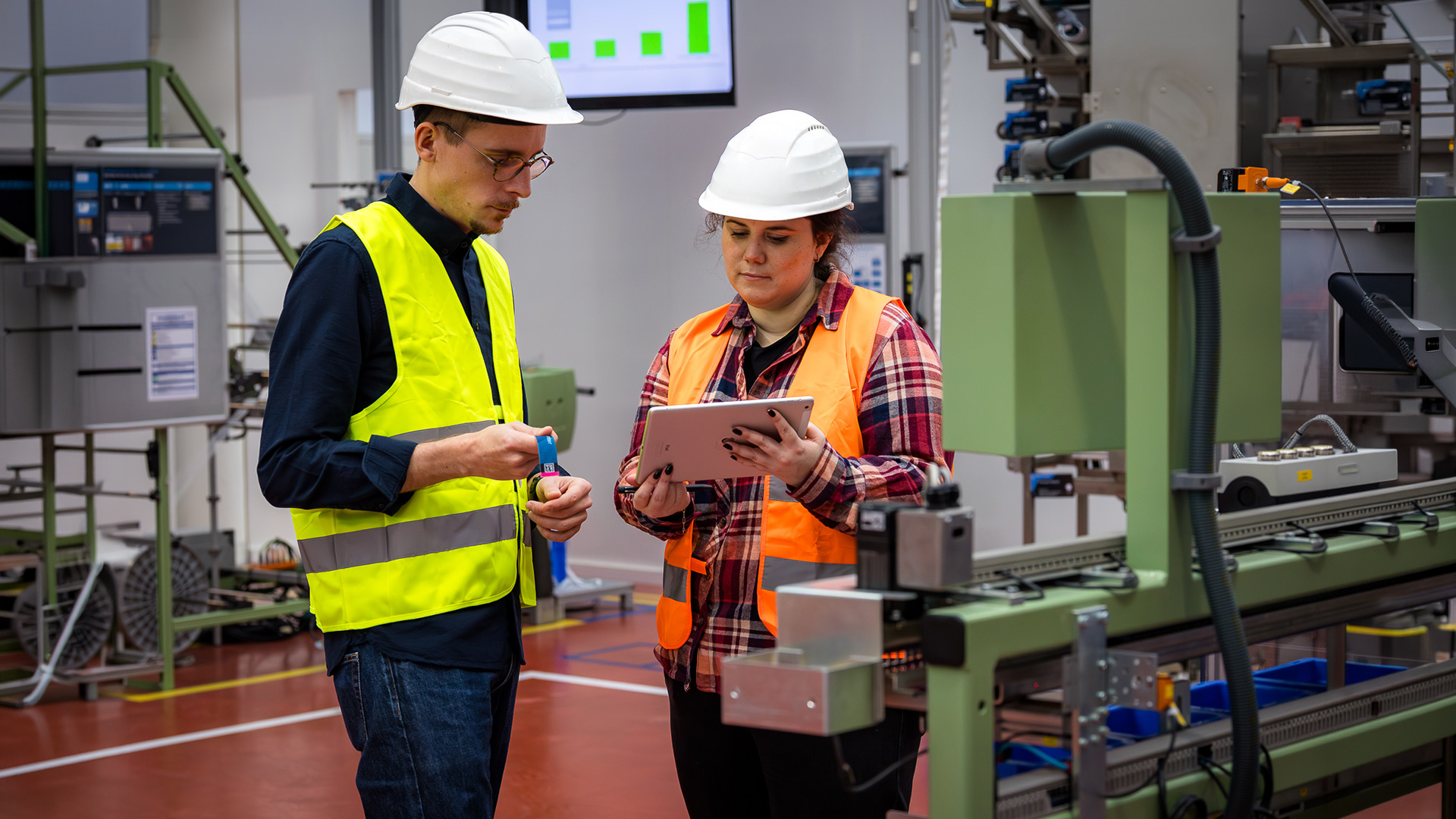
Any analysis that remains on paper without being put into practice is worthless. With the tetys optimise consultancy package, we roll up our sleeves and get to work alongside your staff. We standardise ad-hoc processes, systematically eliminate lean waste and make your set-up procedures significantly leaner. Process optimisation is the goal. Communication on an equal footing and user-centred digitalisation are the tools we use to achieve this goal.
_Getting the shop floor into the flow.
Any analysis that remains on paper without being put into practice is worthless. With the tetys optimise consultancy package, we roll up our sleeves and get to work alongside your staff. We standardise ad-hoc processes, systematically eliminate lean waste and make your set-up procedures significantly leaner. Process optimisation is the goal. Communication on an equal footing and user-centred digitalisation are the tools we use to achieve this goal.
_Why specialist knowledge alone often has absolutely no impact on the production line.
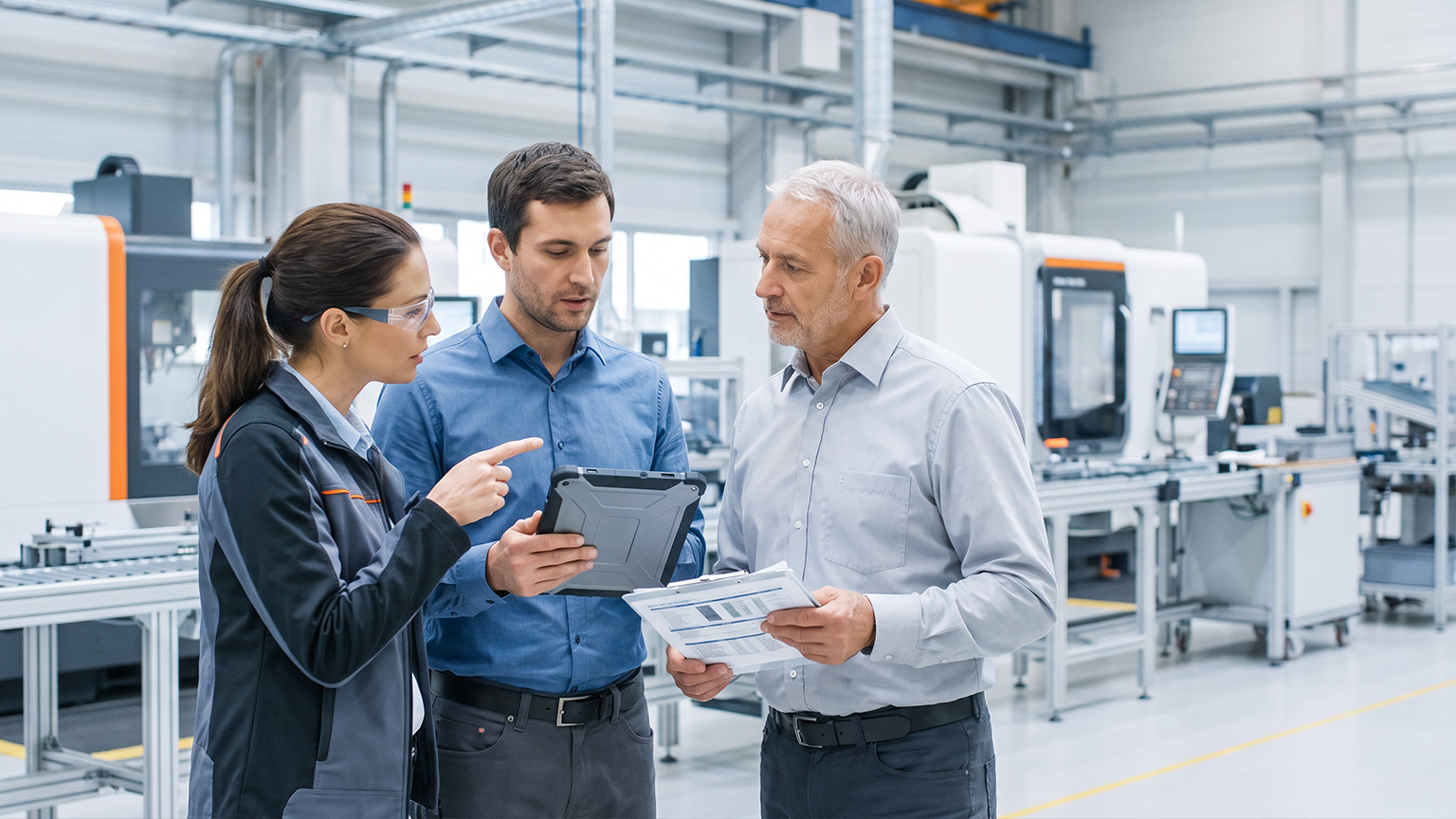
There are countless, often highly intellectual concepts on the market for theoretical process improvement – Lean Management, Agile Six Sigma, rigorous continuous improvement routines. Yet all too often, the printed audit results simply gather dust in the filing cabinets of plant managers’ offices because the crucial operational transfer to the day-to-day manual work of the fitters at the machines and the planners at their terminals fails. Any far-reaching change naturally provokes extreme human resistance, particularly when elitist external consultants fail to understand – both professionally and on a human level – the culture of the respective production site and its foremen, which has evolved over time. There is a lack of communication between production staff – but not at our company.

_Why specialist knowledge alone often has absolutely no impact on the production line.
There are countless, often highly intellectual concepts on the market for theoretical process improvement – Lean Management, Agile Six Sigma, rigorous continuous improvement routines. Yet all too often, the printed audit results simply gather dust in the filing cabinets of plant managers’ offices because the crucial operational transfer to the day-to-day manual work of the fitters at the machines and the planners at their terminals fails. Any far-reaching change naturally provokes extreme human resistance, particularly when elitist external consultants fail to understand – both professionally and on a human level – the culture of the respective production site and its foremen, which has evolved over time. There is a lack of communication between production workers – but not at our company.
_We are at the forefront of this transformation.
tetys optimize is the solid reinforced concrete bridge between abstract management concepts and the roaring reality of the production cycle. We stand by your staff as sparring partners right at the machine and do not leave the production hall until we have secured long-term results in the form of reduced cycle times.
In detail. And on the actual shop floor.
We never simply optimise from a distance using a virtual whiteboard; instead, we work directly on the running machines, using a stopwatch and a structured approach. Together, we standardise work procedures, systematically organise tool trolleys to SMED (Single Minute Exchange of Die) standards, and measure rinsing cycles, to name but a few examples.
Synchronising people and software.
We actively ensure that any new, complex MES/APS system introduced on the shop floor is ultimately understood and accepted by the whole team not as a tiresome overseer or an alien element, but in fact as a significant daily aid to their work.
Establishing effective shop floor cascades
By establishing clear escalation procedures, we are introducing (digitally supported) shop floor meetings at all levels of the organisation, so that any identified deviations from plan and quality issues can in future be resolved organically and in a resource-efficient manner by the team itself, before the audit identifies them.
_Our deeply rooted principle: the ‘Train the Trainer’ concept
To ensure that a tetys optimise project at your site does not remain a one-off ‘lighthouse effect’ that fizzles out after a few months, we train staff from within your own ranks to become in-house methodology specialists (‘Agents of Change’). In this way, we empower your team to continue driving the efficiency improvement curve – following the formal completion of our consultancy and implementation mandate – entirely independently, cost-effectively and sustainably, towards achieving excellent ‘smooth production’.
_Our deeply rooted principle: the ‘Train the Trainer’ concept
To ensure that a tetys optimise project at your site does not remain a one-off ‘lighthouse effect’ that fizzles out after a few months, we train staff from within your own ranks to become in-house methodology specialists (‘Agents of Change’). In this way, we empower your team to continue driving the efficiency improvement curve – following the formal completion of our consultancy and implementation mandate – entirely independently, cost-effectively and sustainably, towards achieving excellent ‘smooth production’.
_Let’s turn hidden potential into obvious strengths
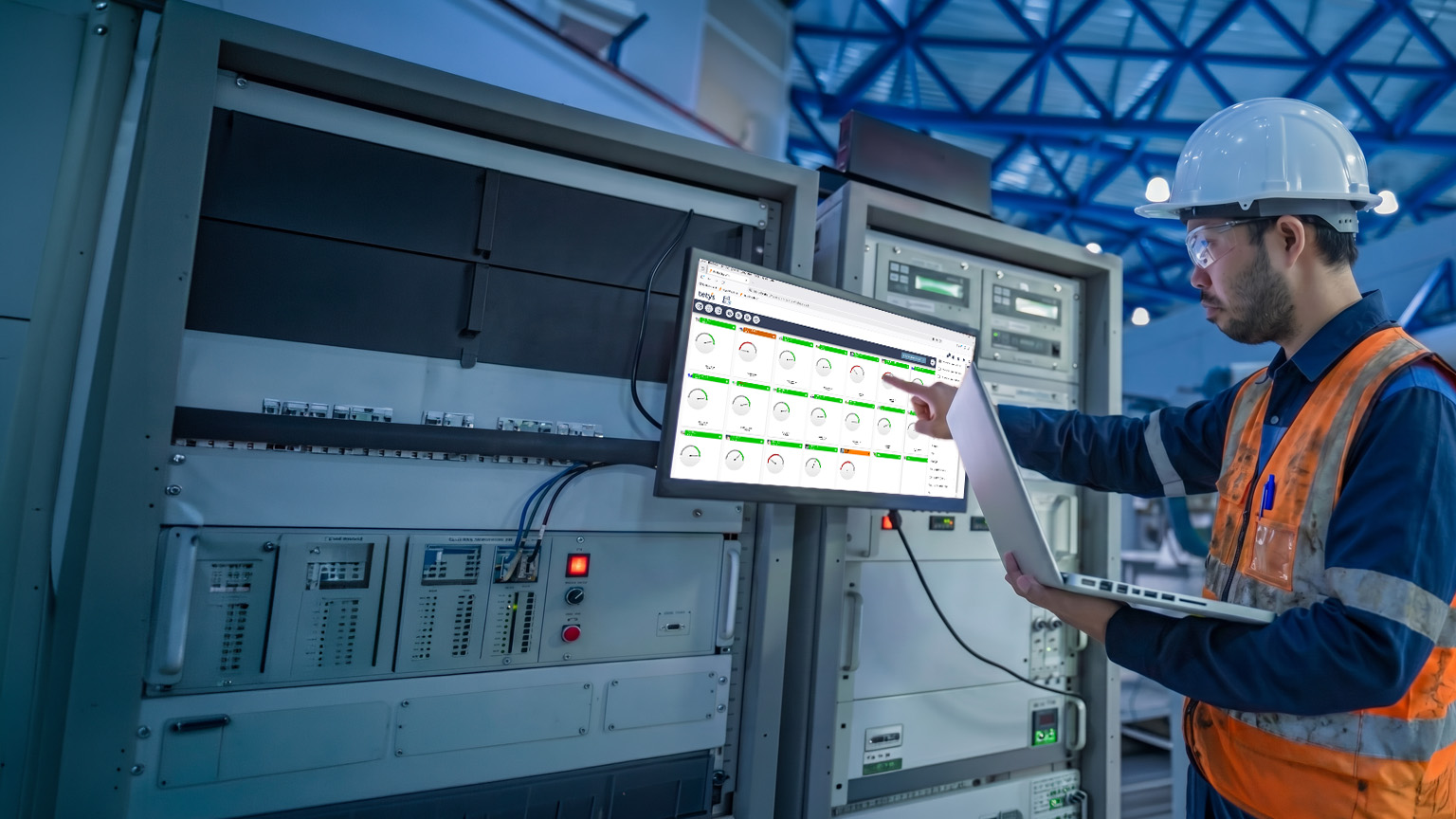
From the very first critical Rüst workshop to a seamlessly running digital control centre – we don’t just talk the talk, we walk the walk.