


At the heart of digital production control:
The MES control centre
Philipp Deneer
Now more than ever, industrial production is under pressure to operate flexibly, efficiently and transparently. Manufacturing Execution Systems (MES) form the backbone of the modern factory. They link the business planning level (ERP) with operational manufacturing, thereby enabling end-to-end digitalisation and control of production processes. MES systems record, analyse and control all relevant production stages in real time. The aim: maximum transparency, optimised processes and a sustainable increase in competitiveness.
Whilst ERP systems provide the broad framework for production planning, the MES handles the detailed planning and control of manufacturing. Here, production orders are not merely scheduled at a high level, but are precisely planned, taking into account actual resources, current machine statuses, material availability and staffing levels. Detailed planning acts as the link between planning and execution: it ensures that production orders are optimally allocated across machines and shifts, lead times are minimised, and delivery deadlines can be met. Modern MES solutions such as our tetys-MES offer a holistic approach: they integrate all planning functions, materials management and resource management into a single system, thereby enabling seamless, digital production control.
The MES control centre
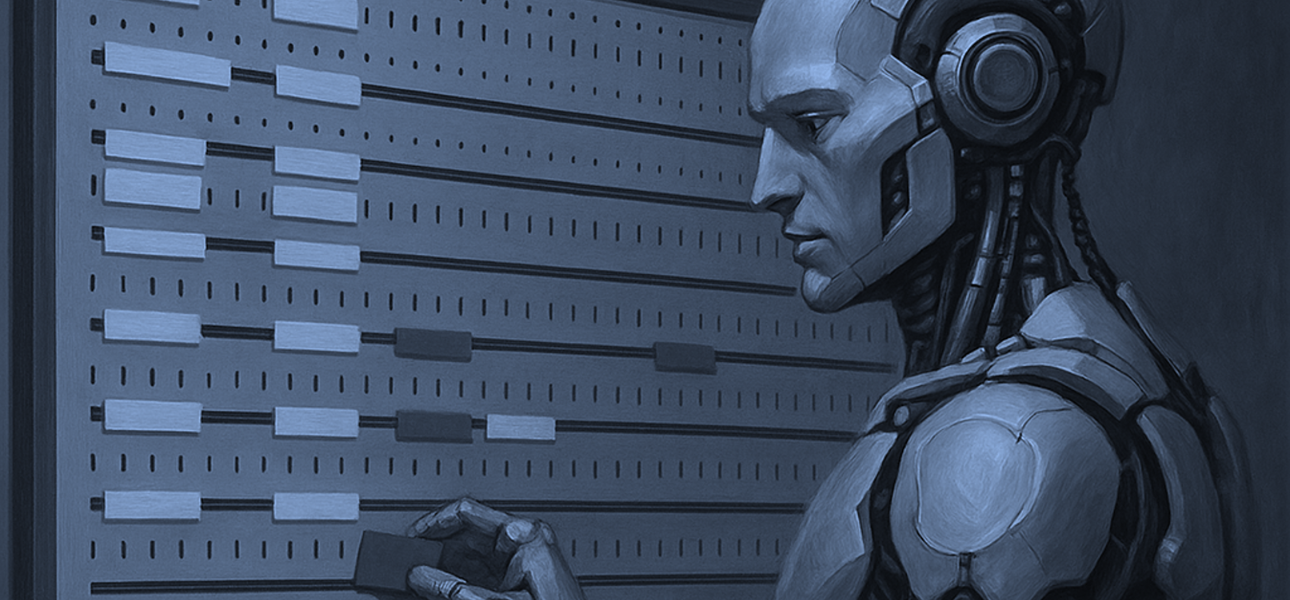
At the heart of detailed planning is the MES control centre, also known as the digital planning board. It acts as the nerve centre of production and visualises all relevant manufacturing processes, resources and their interdependencies. The digital planning board from tetys, for example, enables new orders to be scheduled optimally and the consequences of changes to be identified immediately. It provides a transparent overview of the entire production process – from order receipt through to delivery. All machines, tools, materials and personnel resources are monitored and controlled in real time. The production board is therefore the central control tool for managing complexity and responding quickly to deviations.
One of the greatest strengths of the MES control centre is its visualisation capabilities. Modern systems such as tetys rely on intuitive Gantt charts and graphical interfaces that compare the current actual status of production with the planned target status. Bottlenecks, delays or overloads become visible at a glance. This comparison of planned versus actual status covers not only quantities and deadlines, but also machine statuses, material stocks and quality data. This enables planners and production managers to immediately identify where action is required and take targeted action. This transparency is crucial for managing production efficiently and responding flexibly to changes.
Another advantage of modern MES control centres is the ability to define individual optimisation criteria and configure detailed planning accordingly. For example, companies can set set-up times, lead times, capacity utilisation, on-time delivery or labour costs as priorities – depending on their strategic focus and current challenges. The tetys system allows production orders to be scheduled according to the company’s own requirements and enables effective set-up optimisation to be integrated. Through continuous bottleneck analysis, potential bottlenecks are identified at an early stage and can be proactively mitigated. In this way, detailed planning becomes a bespoke tool for production optimisation.
Manufacturing is a dynamic environment – disruptions, material shortages or last-minute changes to orders are the order of the day. The MES control centre acts as a flexible toolbox in this context: planners can respond to changes with just a few clicks, move orders using drag-and-drop, or schedule alternative machines and resources. The system immediately simulates the effects of these changes and shows how the adjustments impact other orders and the overall schedule. This ensures that production remains operational and on schedule, even in the face of unforeseen events. The ability to simulate scenarios and compare different alternatives makes the control centre an indispensable tool for agile production management.
In addition to operational control, the MES control centre offers comprehensive analysis and reporting functions. Systems such as tetys present all relevant production key performance indicators (KPIs) in clear, easy-to-read dashboards: from machine availability to shift reports and lead times. Analyses and reports make it possible to identify weaknesses, recognise opportunities for optimisation and use these insights to make informed decisions. Drill-down functions allow users to move from the overall overview to a detailed analysis of individual orders or machines. In this way, the control centre becomes not only a control tool, but also a tool for analysis and improvement.
The MES control centre is at the heart of digital production management. It combines the benefits of end-to-end digitalisation in the form of maximum transparency, flexibility and efficiency. By integrating all relevant information, offering the scope for customised optimisation and providing comprehensive analysis functions, production is equipped to meet the challenges of the future – at tetys, you’ll find a reliable and sustainable partner to accompany you on this journey!In fact, the shortage of skilled workers can even be turned into an opportunity – for example, to take your own production planning, and thus your own production, to the next level.
Philipp Deneer
Philipp has been part of the tetys team since early 2024. Both there and in the wider world, he prefers to tackle problems with tailor-made solutions. His enthusiasm for ‘paperless’ solutions ends with his collection of concert posters at home, and outside of tetys he most enjoys indulging his passion for well-executed visualisations of all manner of topics at the cinema and within the wider (local) cultural scene.